
Four Decades of Election Data on Why the Old Voter Assumptions Fail
Summary
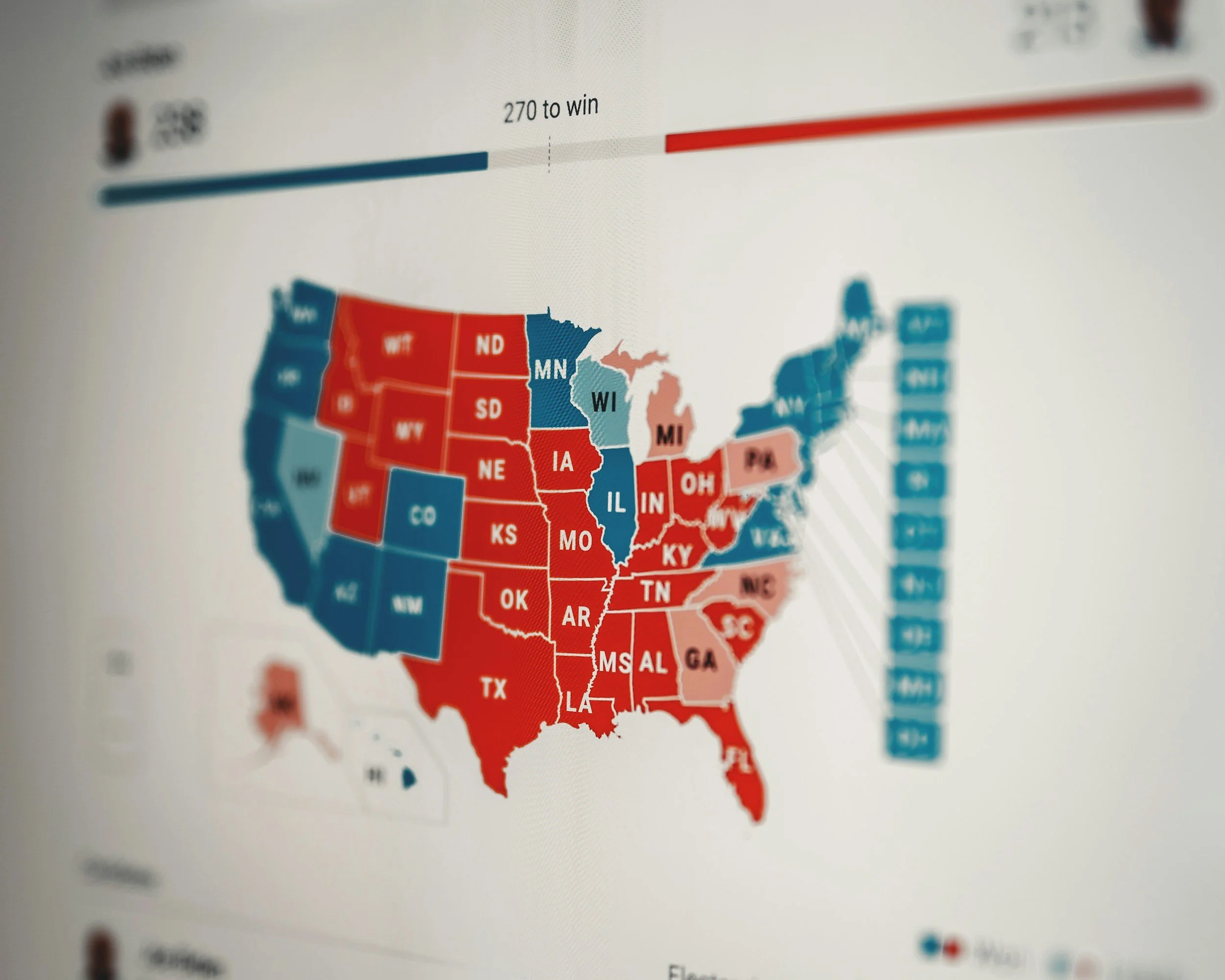
A political consulting firm wanted to know whether the assumptions underneath its advice still held in a transformed electorate. We assembled more than forty years of federal election data and tested the patterns campaigns take for granted. Several of them no longer hold.
The Client
A political consulting firm advising campaigns, PACs, and policy organizations on electoral strategy. The firm wanted an analysis that went deeper than one-cycle polling takeaways.

The Challenge
Campaign advice rests on inherited rules about turnout, loyalty, endorsements, and approval. The firm needed to know which of those rules survived the realignment of the past decade and which had quietly become folklore, because its clients were making spending decisions based on them.
What We Did
We built a dataset of every House, Senate, and gubernatorial outcome from 1980 through 2022, joined with turnout, incumbency, presidential and Congressional approval, party control, endorsement records, and long-running policy attitude measures. The analysis examined seat changes by era and election type, regional turnout patterns, endorsement performance, and the relationship between approval ratings and outcomes.
The endorsement work illustrates the approach. Raw endorsement win rates look impressive until they are benchmarked against incumbent re-election rates, because endorsing safe incumbents inflates any scorecard. Measured against that baseline, endorsement influence looked very different from its reputation.
The Outcome
The analysis documented an electorate that no longer behaves the way the old rules assume. Recent cycles showed turnout surging against a candidate more strongly than for him, with the largest increases coming from regions opposed to the sitting president. It showed a midterm seat loss larger than any for the party since 1974, approval ratings that predicted outcomes more reliably than the economy, and policy attitudes pulling the parties' voters apart in ways that scramble traditional blocs.

Strategic Impact
The firm gained an evidence base for telling its clients which assumptions to keep and which to retire. The work became a framework for advising campaigns in an electorate where loyalty is conditional, turnout is reactive, and demographic categories predict less than they used to.